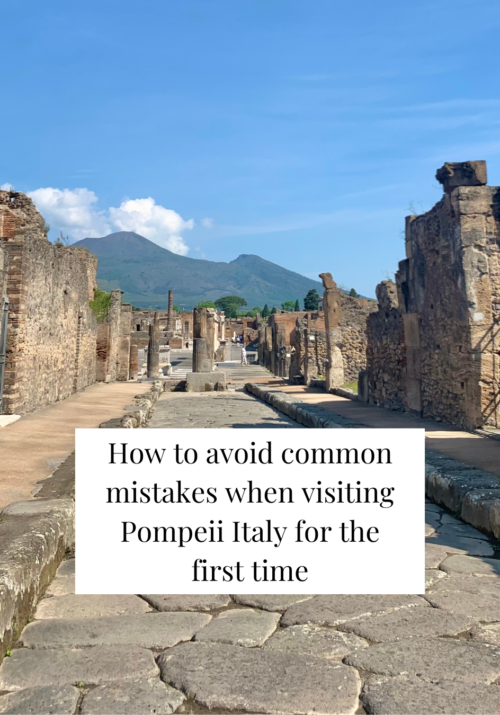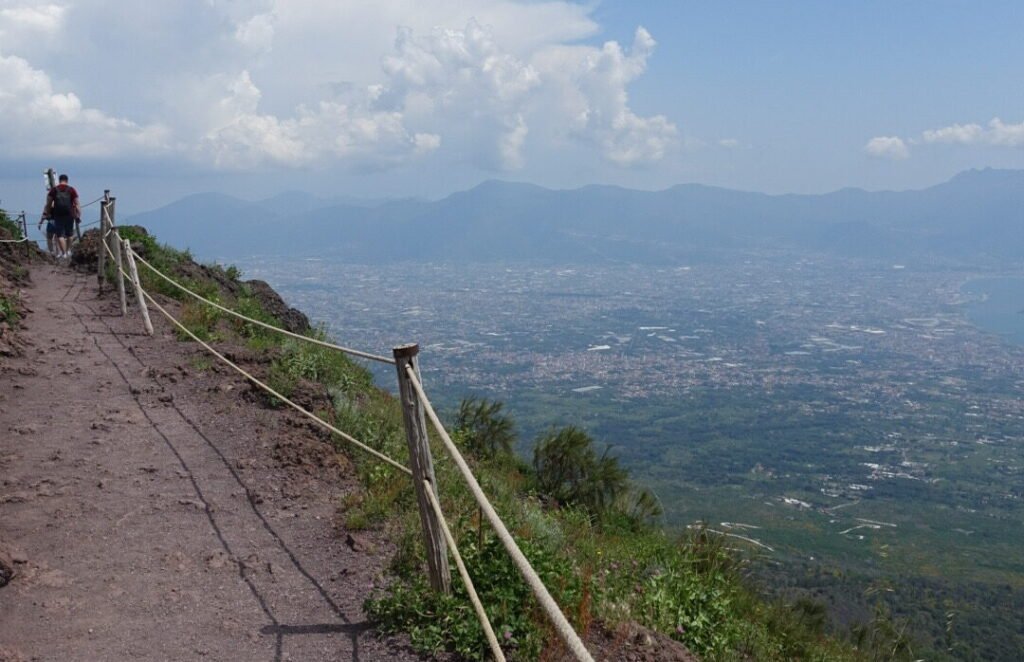
Climb Mount Vesuvius and you’ll stand on the rim of one of the world’s most infamous active volcanoes, the very force that buried Pompeii under metres of ash nearly 2,000 years ago.
Rising 1,281 metres above the Bay of Naples, Vesuvius is one of only two active volcanoes in continental Europe.
Whether you’re more interested in looking down into its sulphurous crater or looking out across the sweeping coastline, this guide covers everything you need to know — how to get there, what to expect on the trail, ticket prices, and how to pair it with a visit to Pompeii in a single day from Naples.
How to climb Mount Vesuvius
No trip to Naples is truly complete without climbing the volcano that buried the famous neighbouring town, Pompeii. Mount Vesuvius looms over the entire site – visible from almost every street, and the realisation that you’re standing in the shadow of an active volcano is part of what gives both Naples and Pompeii its particular charge. Making the trip up to the crater is one of the best half-day additions you can pair with your visit to Pompeii from Naples, as the two are close enough together to combine in a single day.
There’s two ways to get to the crater
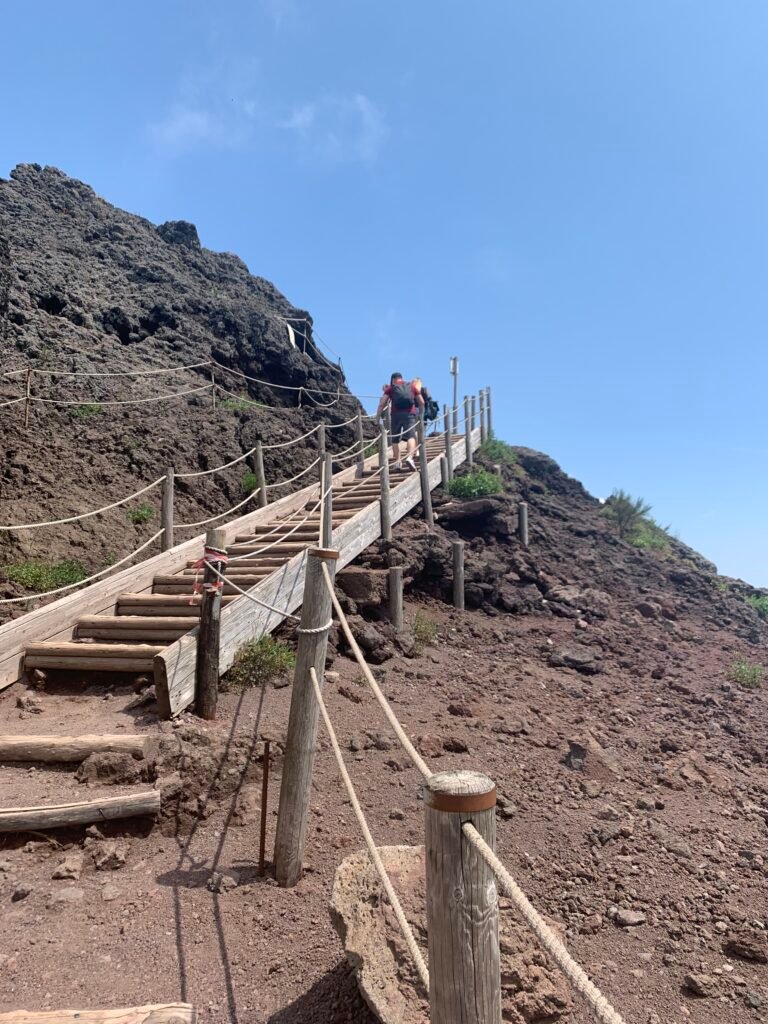
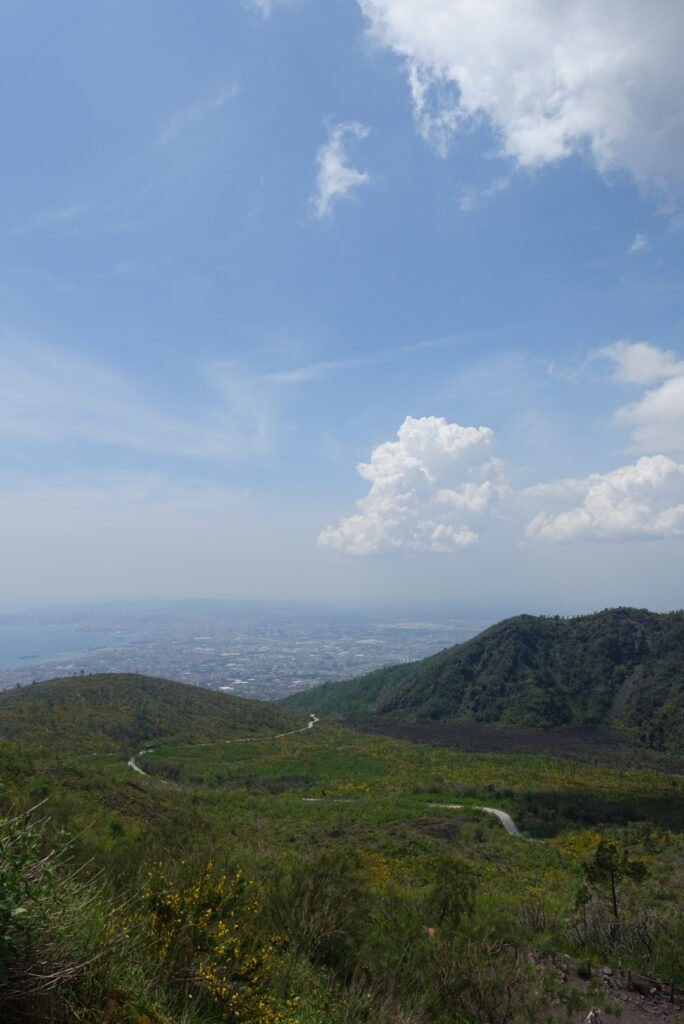
There are buses and shuttles that climb the lower slope of Mount Vesuvius, stopping at the ticket office about 2km from the crater. The trail begins here, offering views of the Bay of Naples, and is a 30–40 minute uphill walk along the Sentiero del Gran Cono (Trail No. 5).
This is by far the most popular option, and is easily bookable via combined tours, where a bus will drop you off at the ticket office, and wait for you, until you return from the hike.
You can also take the shuttle leaving from the Pompeii Archeological Park every 30-60 minutes between April and September. The trip takes about 55 minutes and tickets can be purchased on board the EAV bus (cost €3.10 one way). The easiest way to get back to Naples after you climb Mount Vesuvius, is to take the EAV bus back to Pompeii and then the train back to Naples from there. See the shuttle bus schedule here.
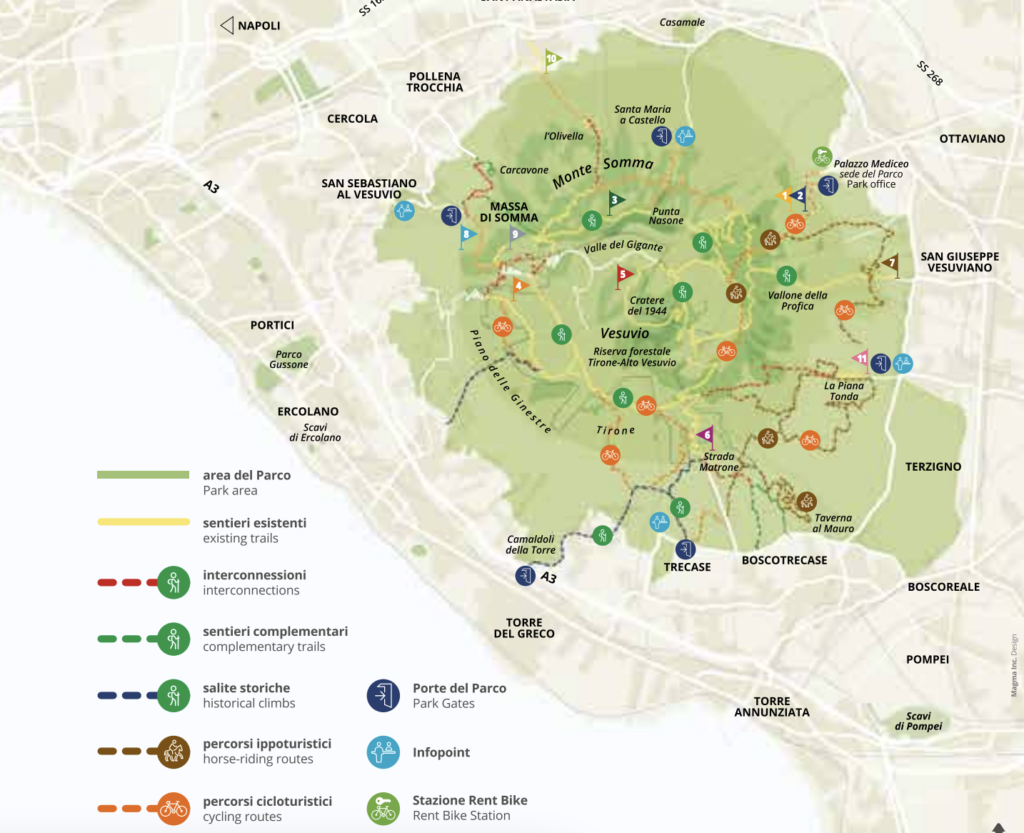
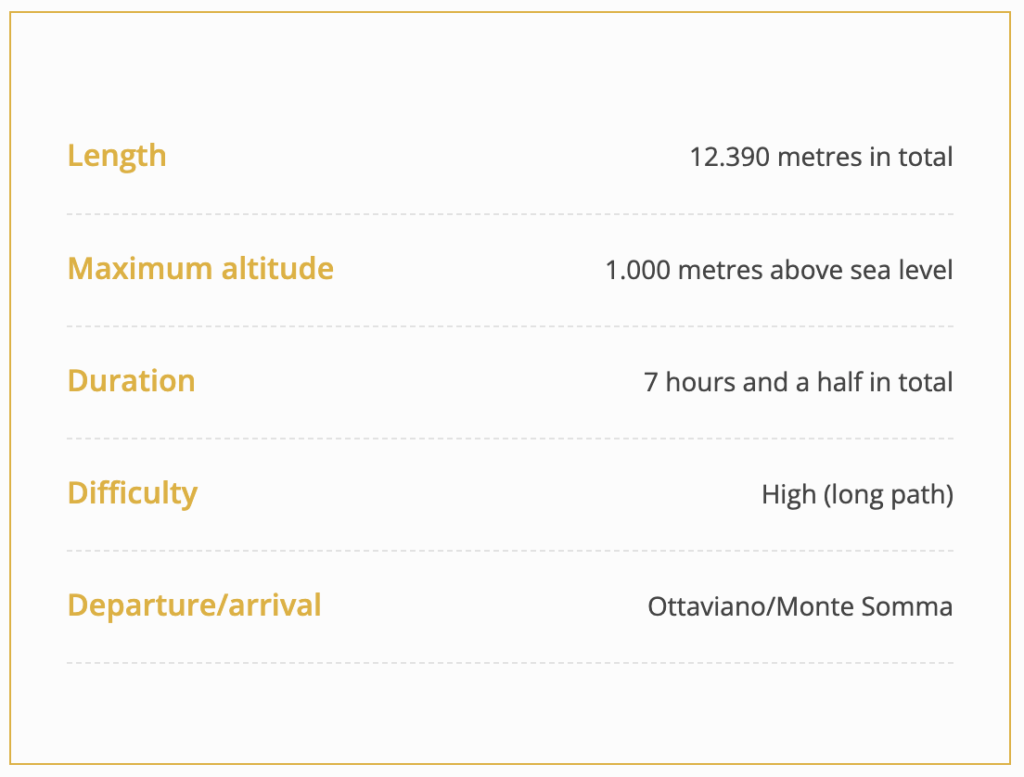
Another way to truly experience Vesuvius National Park is to hike the entire way. The most popular route is called “The hell valley” (I know, very comforting ;)) and starts in the town of Ottaviano going up Path nr. 1 Valle dell’Inferno and nr. 2 Lungo i Cognoli. Read all about the trail here.
What to expect when going to climb Mount Vesuvius
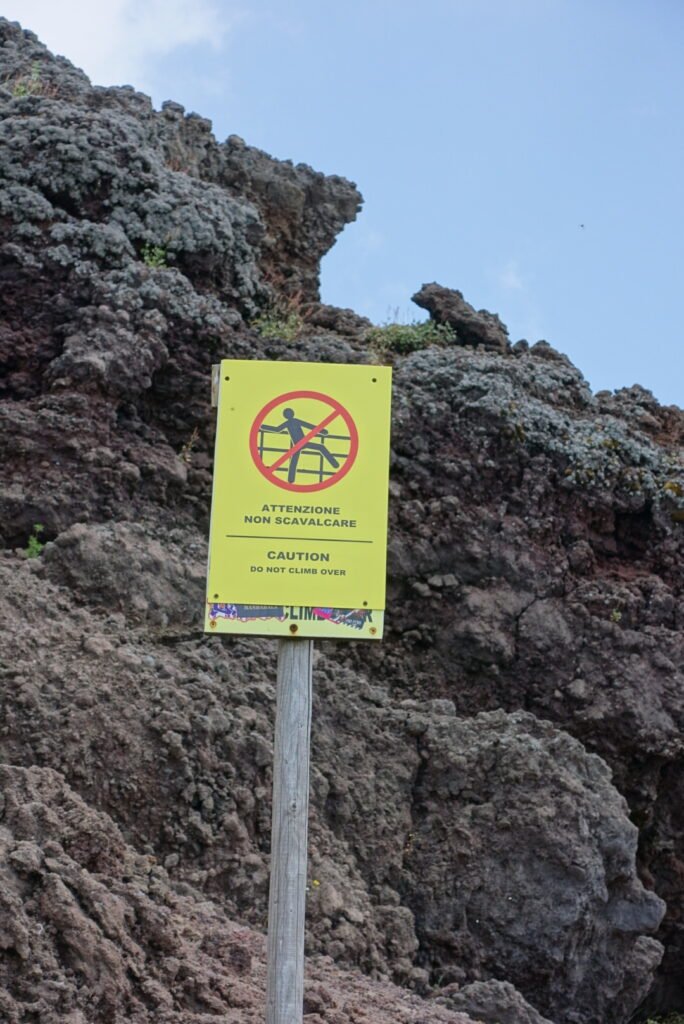
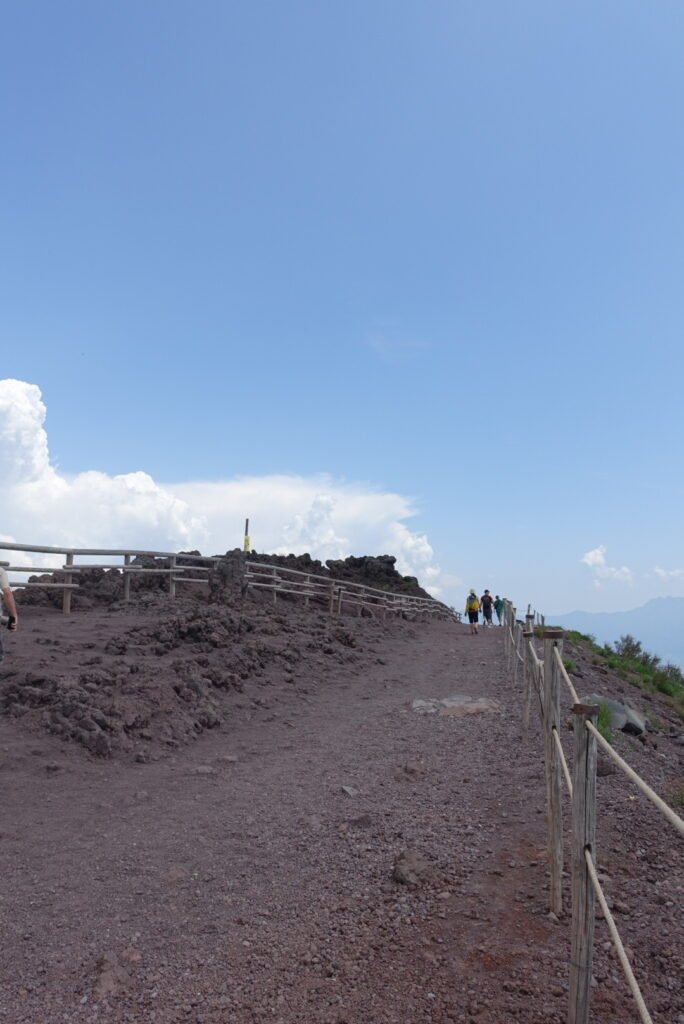
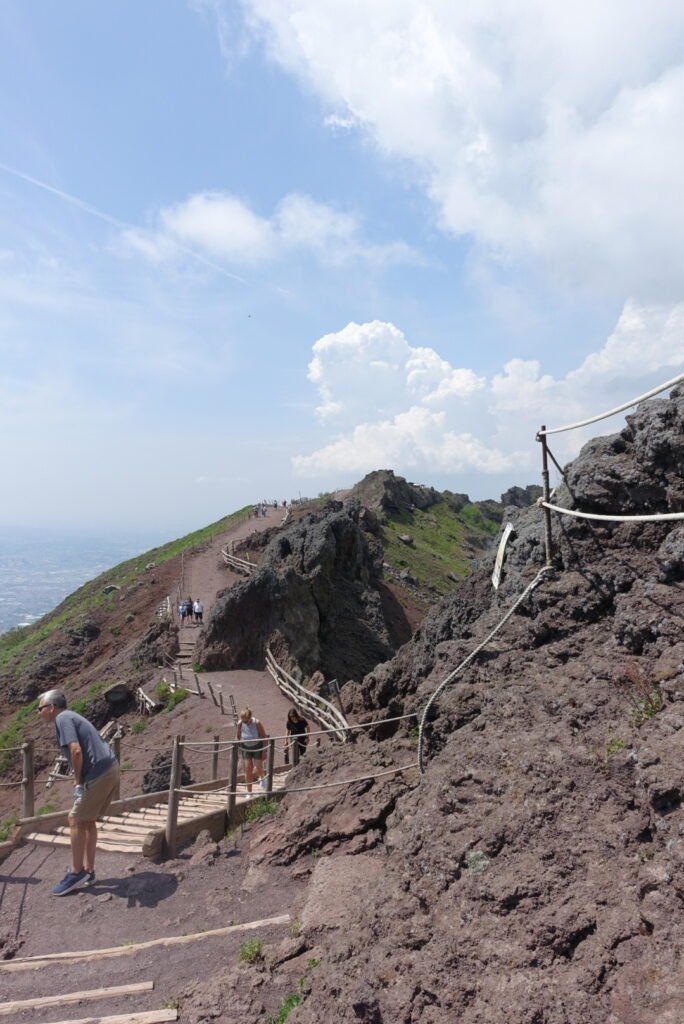
The walk to the summit is moderately challenging – it’s short but steep, on loose volcanic gravel, and entirely exposed to the elements. Wear sturdy shoes (not sandals), bring water, and carry a layer even in summer, as the temperature at the rim can be significantly cooler and windier than at sea level.
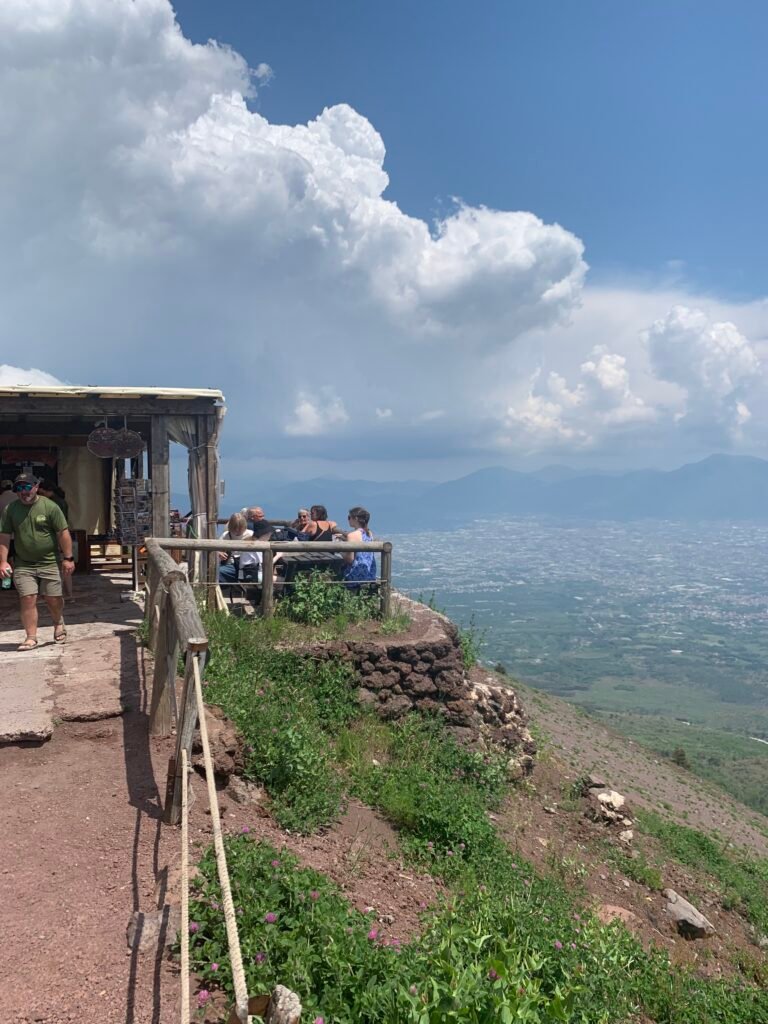
At the top, you walk a half-circular path around the edge of the crater peering into the sulphurous interior. The views on a clear day are extraordinary: the entire Bay of Naples, the Amalfi Coast, the island of Capri, and the ruins of Pompeii far below.
Allow around 2–3 hours in total for the Vesuvius excursion, including travel from Pompeii, the hike up and down, and time at the crater rim.
Is it safe to climb Mount Vesuvius?
Although it’s an active volcano, Mount Vesuvius is safe to visit. Authorities monitor the crater and are able to predict an eruption at least two weeks in advance. However, the trail to the top of Mount Vesuvius can be quite steep and uneven, so there is a slight risk of slipping (but that has nothing to do with it being an active volcano). Remember to wear sturdy shoes when going to climb Mount Vesuvius.
Practical points worth knowing before you go
The summit path closes in poor weather as fog, rain, and high winds are common and can descend quickly. Always check conditions on the day.
If you choose to visit Pompeii and climb Mount Vesuvius on the same day, be aware that the combined effort of a full day of walking is significant. Wear comfortable footwear, apply sunscreen throughout the day, and carry more water and snacks than you think you’ll need.
You have to book a time slot to climb Mount Vesuvius. Your ticket grants access starting 40 minutes before and up to 100 minutes after the selected timeslot. Tickets can only be purchased online as the internet connection close to the entrance is extremely weak (this also means that you should take a screenshot of your tickets before arriving, so you don’t end up not being able to download them from your mail).
Ticket prices
Full-price ticket: €10
Full-price with audio guide: €16
Students: €8
Buy your ticket directly from the official website here. Be aware that it’s an extremely confusing website, but it’s the official nevertheless.
Last admissions to climb Mount Vesuvius:
November / December / January / February: 3pm
March / October: 4pm
April/ May / June / September: 5pm
July / August: 6pm
Tips for combining a visit to Pompeii and to climb Mount Vesuvius in one day from Naples
Doing both in a single day is entirely possible but requires an early start and realistic expectations about pace. I did both on the same day, and am happy I did it, but I was also properly tired after. I recommend doing Pompeii first, as that’s where you want to start before the crowds, ideally right when the site opens at 9am.
Leave Naples on the first train at 8.22am to “Pompei Scavi Villa Dei Misteri”. Schedule for around 3 hours at the archaeological park, and then take the 11.23am or 12.23pm EAV bus departure from “Ingresso Autostradale Pompei” which is 1 hour to Mount Vesuvius. Allow for 2,5-3 hours to ascend, take in the views, and get back down from the crater top. Take the 3.30pm or 4pm EAV bus departure from “Parcheggio Vesuvio” back to Pompeii. Take the train leaving at 5pm from Pompeii and be back in Naples around 5.40pm.
It’s a total of 9,5 hours and a minimum €67 (entry tickets for Pompeii and Vesuvius, 2x train tickets + 2x bus tickets).